Guides · Steinhatchee, Florida
Parks and Nature near Steinhatchee
The scallop flats are the draw, but the land around Steinhatchee is where you go to breathe before you get wet.
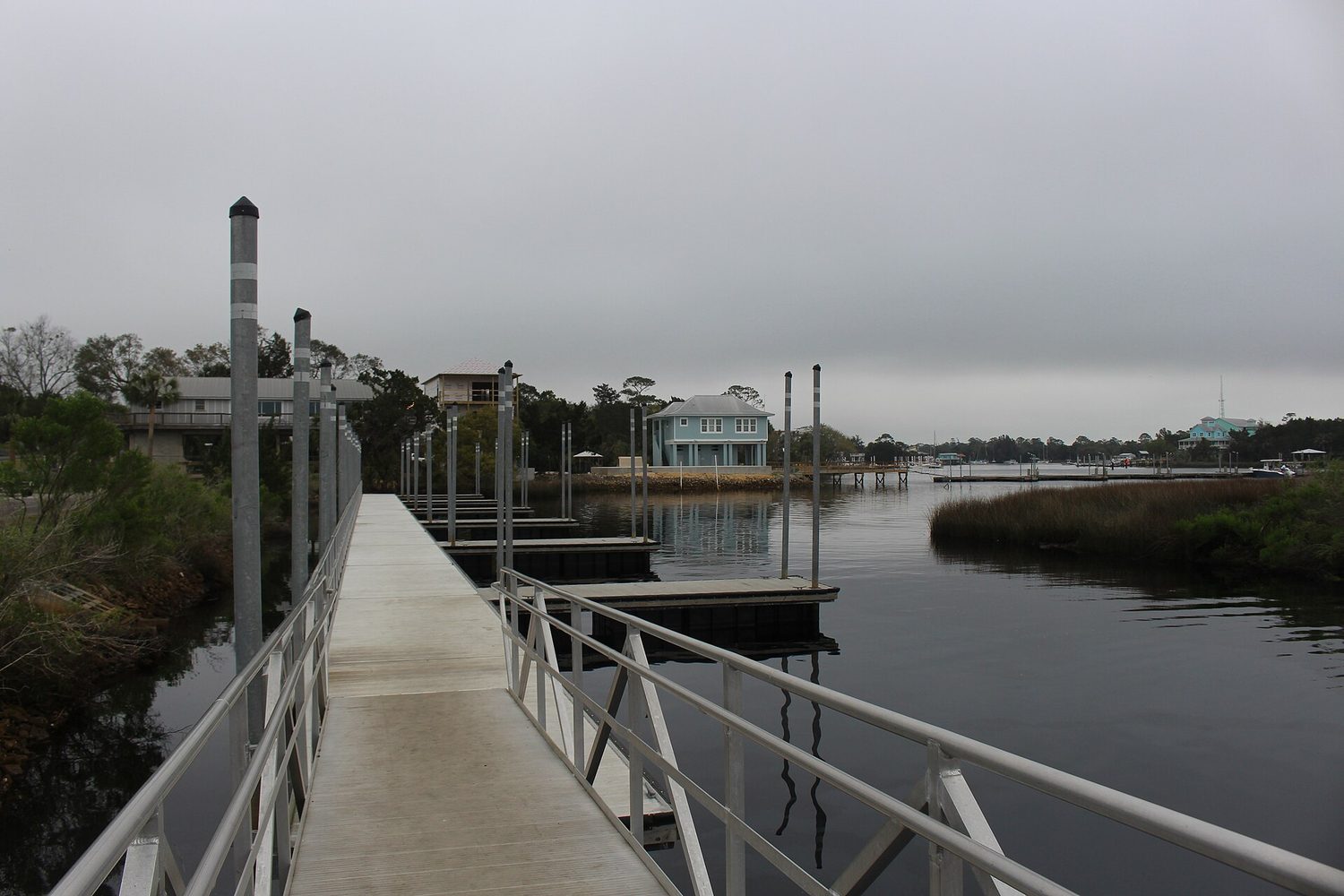
The working water
Steinhatchee grew where the river meets the Gulf. Indians, explorers, Civil War soldiers, sponge divers and commercial fishermen all gathered here in turn, drawn by the river, Deadman’s Bay and the Gulf beyond. The name comes from the Native American esteen-hatchee, meaning river of man. Commercial fishing built the village and still sustains it. Many locals continue to ply the Gulf for their livelihood.
The town is small. Census figures put the population at 770 people, with a median age of 63. Of 1,637 total housing units, 1,220 sit vacant for most of the year. More than a thousand are held for seasonal or recreational use. This is a place that empties out after the season closes.
The season
Steinhatchee is a bay-scalloping town. The season runs across high summer. In 2019 it ran from 15 June to 10 September, when the shallow flats fill with families working the grass beds by hand. Deadman’s Bay, the shallow Gulf embayment at the river’s mouth, gives the village its scallop grounds and its fishing. The Steinhatchee River itself runs to the open Gulf just 2.5 miles downstream.
You come for the water. But you stay for the woods.
What’s out there
The public land here is not groomed. It is flat, wet, buggy and real. The Big Bend Wildlife Management Area - Tide Swamp Unit sits off Creek Road and covers a serious stretch of Taylor County’s coastal marsh and pine flatwoods. It rates 4.5 stars from 77 reviews. That rating comes from people who know what they are doing. This is not a picnic park. It is a place for hunting, fishing, birding and getting your boots muddy.
The Big Bend WMA itself, listed separately, carries a 4.7 rating from 41 reviews. Same country, same character. The distinction matters less than the ground. These are working lands managed for wildlife and public use, not for lawn chairs.
Further up FL-51, the Lower Steinhatchee Conservation Area is a smaller, quieter piece of ground. Its rating is thin — 3.0 from just 2 reviews — and that tells you something. Few people go. Fewer review. If you want solitude, that is where you start.
Two more units round out the list. The Jena Wildlife Management Area and the Big Bend Wildlife Management Area - Jena Unit both sit near the coast south of town. Jena is the old river settlement at the mouth of the Steinhatchee. The land there is low, salt-tinged and thick with birds when the tide moves.
How to use it
Do not plan a full day of hiking. Plan a morning. Plan a few hours between tides. The ground is flat, which means easy walking, but it also means water sits where it falls. Mosquitoes are not a rumor here. They are a fact of life from May through October.
Bring water. Bring wading boots. Bring a map. Cell service is unreliable on the best days and absent on the worst. The WMA units are not signed like a state park. You navigate by dirt road and by the sun.
The best approach is to pick one unit and commit. The Tide Swamp Unit is the most visited and the most reviewed. It has the infrastructure — such as it is — to support a first trip. The Jena units are more remote. The Conservation Area is for the curious.
The town around it
Steinhatchee is not a resort. It is a working village with a median household income of $48,208 and an unemployment rate of zero percent. The people who live here work. The people who visit here scallop. The median home value is $255,600, which buys you a lot of quiet and not much else.
Only 24.9 percent of residents hold a bachelor’s degree or higher. That is not a knock. It is a measure of what this town is: a place where the economy runs on boats, bait and the tide, not on office parks.
The honest pitch
If you want a nature experience near Steinhatchee, you have options. The Big Bend Wildlife Management Area - Tide Swamp Unit is the one to start with. It has the reviews, the access and the reputation. The Big Bend WMA is the same country with a slightly different boundary. The Lower Steinhatchee Conservation Area is for the patient. The Jena Wildlife Management Area and the Big Bend Wildlife Management Area - Jena Unit are for the serious.
None of these are hidden gems. They are public land, plainly managed, waiting for you to show up and work for it. That is the deal. The water gives you scallops. The land gives you quiet. Both require you to walk in with your eyes open.
Come in June. Come in September. Come when the season opens and the whole town goes wading. Then dry off, walk into the woods, and see what the river of man left behind.
Every business named above is one we hold a listing for, and every date traces to a source on our sources page. We do not describe menus, interiors or service we have not verified. Details change — confirm before you travel.