Guides · Steinhatchee, Florida
The Best Photo Spots in Steinhatchee
The best light in Steinhatchee is the one that falls on working water.
What You Are Actually Photographing
Steinhatchee grew where the river meets the Gulf. Indians, explorers, Civil War soldiers, sponge divers and commercial fishermen all gathered here in turn, drawn by the river, Deadman's Bay and the Gulf beyond. The name comes from the Native American 'esteen-hatchee', meaning river of man.
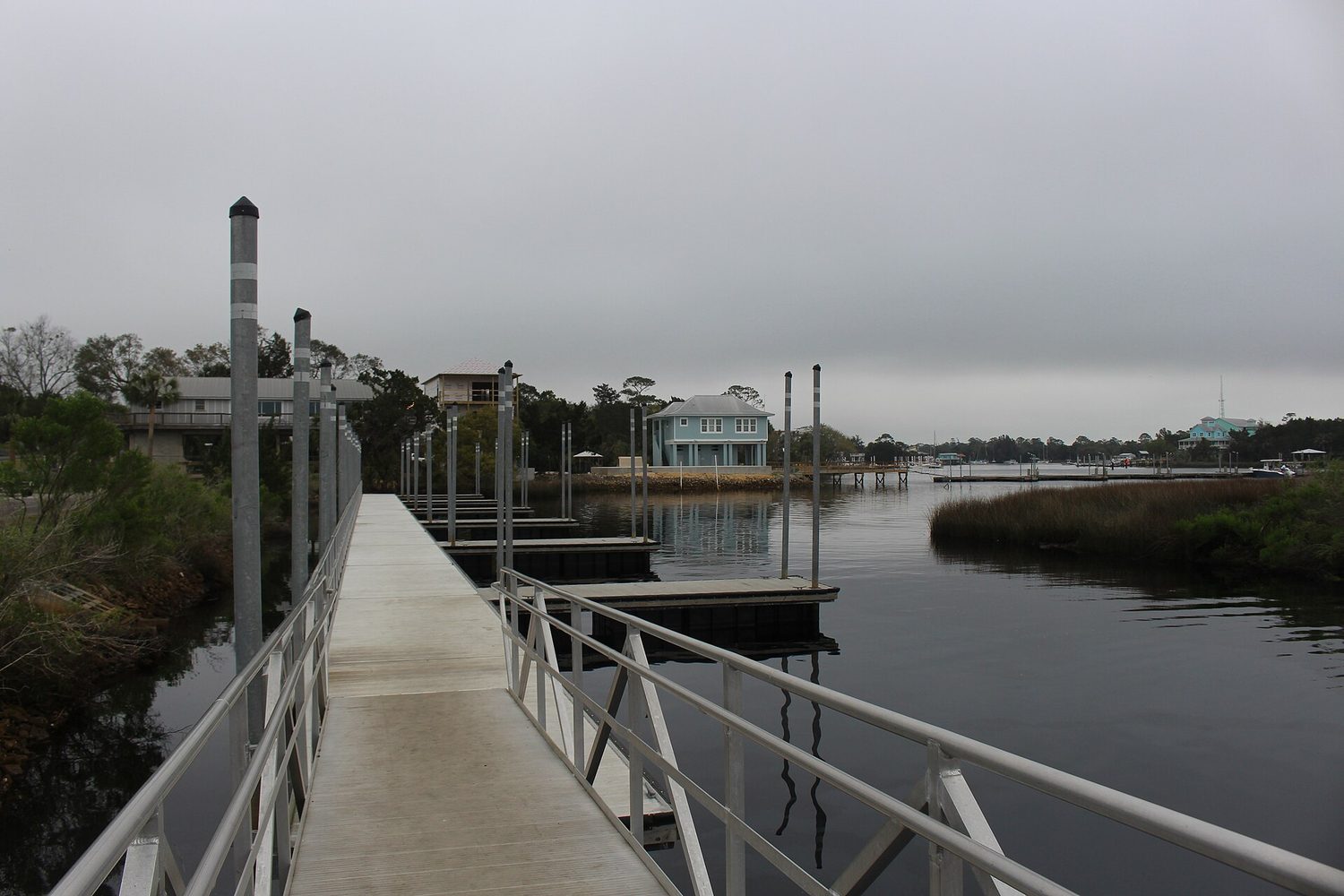
That is your subject. Not a postcard. Not a sunset over a deserted beach. The river, the bay, and the people who work both.
Commercial fishing built the village and still sustains it. Many locals continue to ply the Gulf for their livelihood. Their boats, their docks, and their wakes are the honest frames for this town.
The River Itself
The Steinhatchee River runs to the open Gulf just 2.5 miles downstream. That short run gives you a lot of options. Walk the banks near the public access points. Shoot the water early, before the boat traffic stirs it up. The river is tannic, dark, and reflective. It photographs like a mirror when the wind dies.
Steinhatchee Falls sits on the river, rated 4.5 from 474 reviews. It is not a tall drop. It is a shoal, a place where the river runs over limestone and drops a couple of feet. The water spreads wide and shallow. Bring a wide lens and a polarizer. The light on the moving water is the shot. Go when the river is up, after rain. The flow gives the falls their shape.
The Flats and the Scallop Grounds
Steinhatchee is a bay-scalloping town. The season runs across high summer. In 2019 it ran from 15 June to 10 September, when the shallow flats fill with families working the grass beds by hand. That is your action shot. Waders, masks, and mesh bags. People bent over in knee-deep water. The light is harsh at noon, so shoot late afternoon when the sun drops and the flats turn gold.
Deadman's Bay gives the village its scallop grounds and its fishing. It is a shallow Gulf embayment, and it is enormous. From the shore it looks flat and empty. From a boat, it is a grid of grass flats and sand holes. If you have access to a kayak or a skiff, the aerial perspective is not required. Get low. Shoot across the water at the waders. The reflections will do the work.
The Wildlife Management Areas
The land around Steinhatchee is mostly public, mostly flat, and mostly empty. That is the point.
Big Bend Wildlife Management Area - Tide Swamp Unit is on Dallus Creek Road. It is rated 4.5 from 77 reviews. This is pine flatwoods, cypress swamps, and tidal creeks. The roads are dirt and sand. After rain, they turn to soup. Bring a truck or walk in. The wildlife is the subject here: wading birds, deer, and the occasional bear. The light filters through the canopy and hits the swamp water. That green-gold glow is worth the mud.
Big Bend WMA is rated 4.7 from 41 reviews. This is the broader designation, covering scattered tracts across the county. The Jena Unit and the Tide Swamp Unit fall under it. The photography is the same: flat, wet, and wild. The open marsh at sunrise is the classic shot. The horizon is long and low. The sky dominates. Wait for a day with cloud cover, and the light will break across the grass in bands.
Jena Wildlife Management Area sits near the coast, south of town. It is less visited and less marked. The roads are rougher. The payoff is the transition zone where the marsh meets the Gulf. This is where you get the wide, empty water shots. No houses. No docks. Just grass, water, and sky.
Big Bend Wildlife Management Area - Jena Unit is the same ground, more formally named. Use it as a waypoint. The unit is adjacent to the coast, and the tidal creeks cut deep into the marsh. Shoot at low tide when the mud flats are exposed and the birds are feeding.
Lower Steinhatchee Conservation Area is on FL-51, south of town. It is rated 3.0 from 2 reviews. The rating is low because there is not much to do there. That is fine. For photography, it is a quiet stretch of riverfront and floodplain. The trail is short. The river is wide. If you want a shot of the river without boats, this is the place. The banks are undeveloped. The cypress trees lean over the water. It is a slower, darker version of the river than you get near the falls.
What to Skip
Do not chase the empty-beach fantasy. Steinhatchee is not that. The town is working water. The vacation homes are there, but the heart of the place is the fleet.
The census numbers tell the story. The town has 770 people and 1,637 housing units. Of those, 1,043 are held for seasonal or recreational use. Another 1,220 are vacant. The median age is 63. The unemployment rate is 0 percent. The people who live here work. The people who visit here play. Photograph both, and you will have the town.
The Practical Part
Shoot early. The best light is the first hour after sunrise, when the river is glass and the birds are moving. Shoot late. The last hour before sunset, when the scallopers come in and the boats line up at the docks.
Bring rubber boots. The best angles are in the water.
Bring a polarizer. The glare off the flats will kill your shots without one.
And do not call it undiscovered. It is not. It is just quiet. The people who live here know exactly what they have. The river of man runs through them. Your job is to show it.
Every business named above is one we hold a listing for, and every date traces to a source on our sources page. We do not describe menus, interiors or service we have not verified. Details change — confirm before you travel.