Guides · Steinhatchee, Florida
Steinhatchee Florida: A Water Town Guide
Steinhatchee is a working water town. Its name, its economy, its summer crowds, its empty off-season streets—all of it comes from the river and the bay it meets.
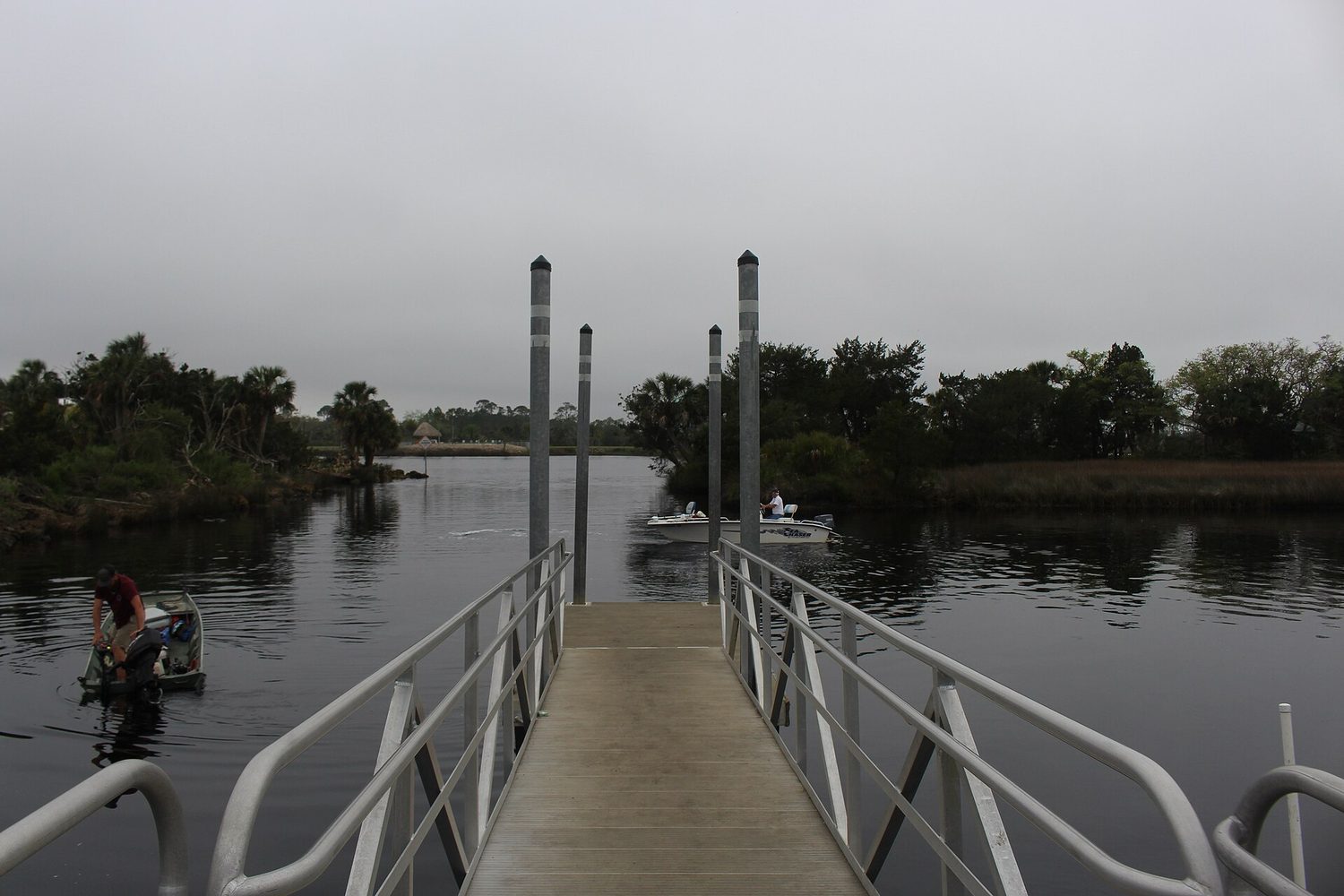
The River of Man: Steinhatchee's History and Name
The name Steinhatchee comes from the Native American esteen-hatchee, meaning "river of man." It is not a marketing slogan. Indians, explorers, Civil War soldiers, sponge divers, and commercial fishermen all gathered at this spot in turn, drawn by the river, Deadman's Bay, and the Gulf beyond. The river itself runs just 2.5 miles from the town to open water. That short stretch has determined everything about how people live here.
The settlement grew where the river meets the Gulf. That is the whole story. The water did not just shape the place; it is the place.
Steinhatchee's Working Waterfront: Commercial Fishing Today
Commercial fishing built Steinhatchee and still sustains it. Many locals continue to work the Gulf for their livelihood, running boats out of the river mouth and returning with the day's catch. This is not a harbor town that turned to tourism when the fish got scarce. The working waterfront is the character of the village, and the boats you see are tools, not décor.
The rhythm of the town follows the water and the seasons, not the calendar. When the fishing is good, the docks are busy. When it is not, the town gets quiet. That is the deal, and the people here understand it.
Scalloping in Steinhatchee: A Summer Tradition
Steinhatchee is a bay-scalloping town. The season runs across high summer—in 2019, it ran from 15 June to 10 September—when the shallow flats of Deadman's Bay fill with families working the grass beds by hand. Scalloping here is not a spectator sport. You wade into the shallows, lean over, and pick them up off the grass. That is the whole method, and it has not changed much in generations.
The town's population swells during those weeks. The water is warm, the flats are accessible, and the scallop grounds are right at the river's mouth. It is a seasonal ritual that defines the town as much as the fishing does.
Steinhatchee's Seasonal Population and Housing Statistics
The census figures tell the seasonal story plainly. Steinhatchee has 1,637 total housing units, but 1,220 of them are vacant. Of the total, 1,043 homes are held for seasonal or recreational use. That means more than half the houses in town are empty for most of the year.
The permanent population is 770 people, with a median age of 63. The unemployment rate is 0 percent, which makes sense for a place where the people who live there year-round are working—fishing, guiding, running the marinas and the few businesses that serve the seasonal crowds. Median household income is $48,208, and the median home value is $255,600. About 24.9 percent of residents hold a bachelor's degree or higher.
These numbers add up to a simple picture: Steinhatchee is a seasonal place first and a year-round home second. The houses fill up in summer, then empty out. The people who stay are the ones who work the water.
| Measure | Value |
|---|---|
| Total housing units | 1,637 units |
| Homes held for seasonal or recreational use | 1,043 units |
| Vacant housing units | 1,220 units |
| Population | 770 people |
| Median age | 63 years |
| Unemployment rate | 0 percent |
| Median household income | $48,208 |
| Median home value | $255,600 |
| Bachelor's degree or higher | 24.9 percent |
Beyond Scallops: The Fiddler Crab Festival and the Off-Season
When the scallop season ends, Steinhatchee does not shut down completely. The Fiddler Crab Festival runs three days in February, built around a parade, fireworks on both Friday and Saturday nights, a car show, a fishing tournament, river tours, and a cooking competition. The 2027 edition will be the 19th. It is a winter event that gives the town a reason to gather when the water is too cold for wading.
The off-season is quiet. The docks are still there, the fishing boats still run, and the locals keep doing what they do. But the crowds are gone, and the town returns to its working-water pace.
The Working Water in Context: Neighboring Water Towns
Steinhatchee is not alone on this stretch of coast, but it is not like its neighbors either. Perry, 32 miles away, has the Florida Forest Festival. Cedar Key, 44 miles away, hosts the Cedar Key Seafood Festival. St. George Island, 104 miles out, does the St. George Island Chili Cook-Off. Apalachicola, 112 miles away, runs the Florida Seafood Festival. Port St. Joe, 134 miles off, has the Florida Scallop, Music & Arts Festival.
Each of these towns has its own water-driven identity. But Steinhatchee is the one where the river, the bay, and the Gulf all meet at the same point, and where the scallop season still sends the whole town wading. The others may have festivals and events, but Steinhatchee has the flats, the grass beds, and the river that gave it its name. That is the difference.
Common questions
- What is Steinhatchee known for?
- Steinhatchee is a bay-scalloping town. The season runs across high summer, when the shallow flats fill with families working the grass beds by hand. Commercial fishing built the village and still sustains it.
- Where does the name Steinhatchee come from?
- It comes from the Native American 'esteen-hatchee', meaning river of man. The town grew where the river meets the Gulf, and the name sticks to the water that defines it.
- How far is the Gulf from the river?
- The open Gulf is just 2.5 miles downstream on the Steinhatchee River. Deadman's Bay, the shallow embayment at the river's mouth, gives the village its scallop grounds and its fishing.
- What is the Fiddler Crab Festival?
- It's a three-day event in February with a parade, fireworks on Friday and Saturday nights, a car show, a fishing tournament, river tours, and a cooking competition. The 2027 edition is the 19th.
- Is Steinhatchee a full-time town?
- No. Of 1,637 housing units, 1,220 are vacant, and 1,043 are for seasonal or recreational use. The population is 770 people, with a median age of 63. It's a working-water place, not a resort.
- What's the economy like here?
- Unemployment is 0 percent. Median household income is $48,208, and median home value is $255,600. Many locals still ply the Gulf for their livelihood, just as commercial fishermen always have.
Every business named above is one we hold a listing for, and every date traces to a source on our sources page. We do not describe menus, interiors or service we have not verified. Details change — confirm before you travel.