Guides · Steinhatchee, Florida
What Has Changed in Steinhatchee, FL: A Working Water Town
Steinhatchee’s empty houses outnumber its people by a wide margin. That is not a sign of decline—it is the rhythm of a working water town that fills only when the water calls.
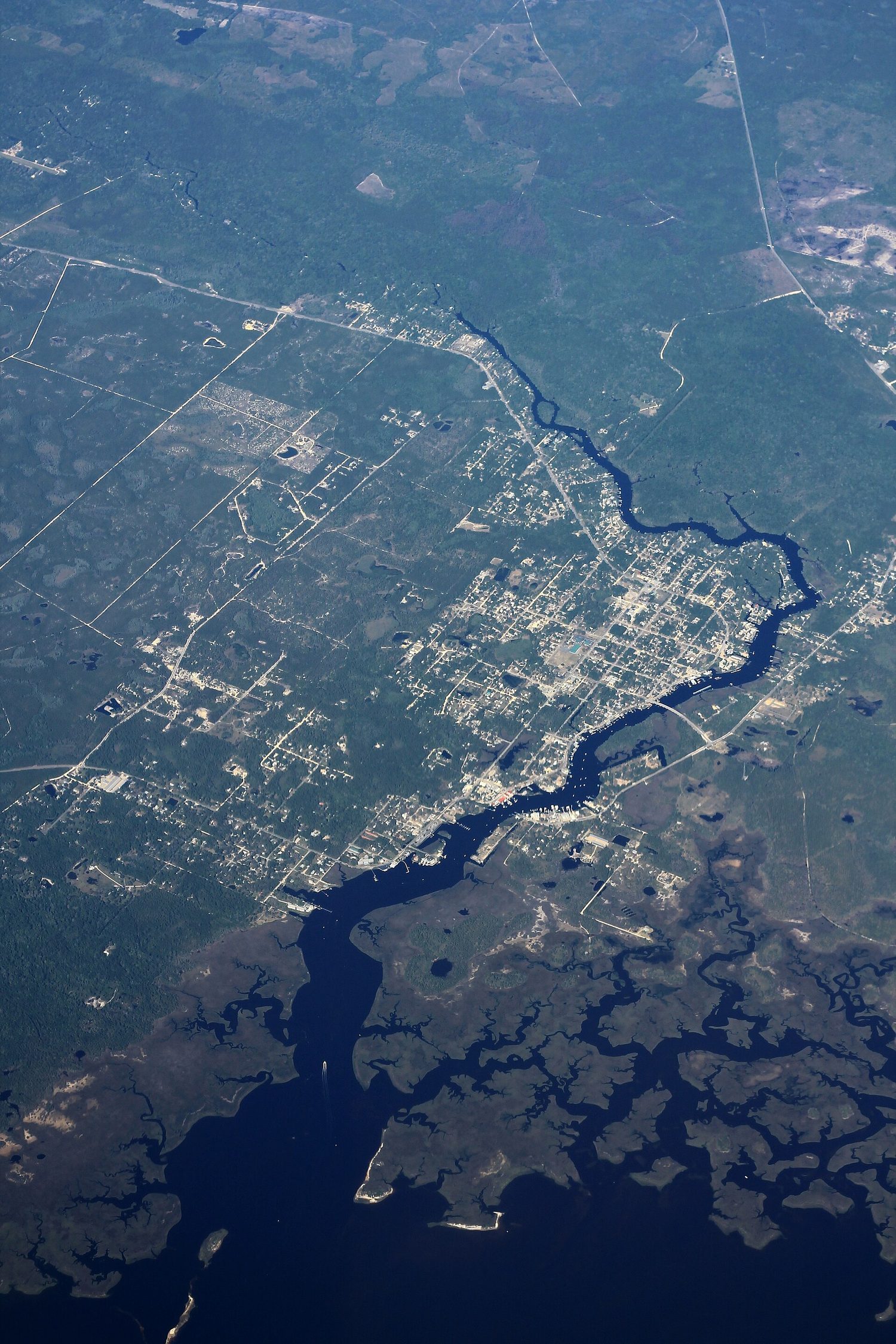
Steinhatchee's History: The River of Man Still Runs Through It
Steinhatchee grew where the river meets the Gulf. Indians, explorers, Civil War soldiers, sponge divers and commercial fishermen all gathered here in turn, drawn by the river, Deadman's Bay and the Gulf beyond. The name comes from the Native American 'esteen-hatchee', meaning river of man. That is not a metaphor. It is a description of how people have always used this place.
The commercial fishermen came to work the water, and their descendants still do. The sponge divers came for what the Gulf held, and the river gave them a harbor. The history is not a museum piece here; it is the foundation of the town's character. When you stand at the river's edge, you are standing where generations of working people stood before you, doing the same work.
Steinhatchee's Population and Housing: The Numbers Behind the Empty Houses
The census tells a story that looks strange on paper. Steinhatchee has 770 residents. It has 1,637 housing units. Of those, 1,220 are vacant. And 1,043 are held for seasonal or recreational use.
| Measure | Figure |
|---|---|
| Population | 770 people |
| Total housing units | 1,637 units |
| Vacant housing units | 1,220 units |
| Homes held for seasonal or recreational use | 1,043 units |
| Median age | 63 years |
| Median household income | $48,208 |
| Median home value | $255,600 |
| Bachelor's degree or higher | 24.9 percent |
| Unemployment rate | 0 percent |
Those numbers mean the town swells and shrinks with the seasons. The year-round population is small, and it is older. The houses sit empty through the winter, then fill when the water warms. That is not abandonment. That is the pattern of a place built around a resource that only shows up part of the year.
Scallop Season in Steinhatchee: When the Town Goes Wading
Steinhatchee is a bay-scalloping town. The season runs across high summer—in 2019 it ran from 15 June to 10 September—when the shallow flats fill with families working the grass beds by hand. This is not a spectator sport. People get in the water, put their faces down, and pull scallops out of the grass.
The season is the economic and social heartbeat of the town. The houses fill. The boats go out. The flats get crowded. For a few months, the population multiplies and the town hums with purpose. Then the season ends, the families go home, and the town settles back into its working rhythm.
The Working Water Remains
Commercial fishing built the village and still sustains it: many locals continue to ply the Gulf for their livelihood. The numbers back this up. The unemployment rate is 0 percent. The median household income is $48,208. The median home value is $255,600.
That combination—full employment, modest income, and a home value that outpaces it—tells you what kind of town this is. It is not a resort. Resorts have service workers and wealthy owners. This is a town where people work the water, own their homes, and do not leave. The seasonal houses bring money in, but they do not change the character of the place.
What the Festival Calendar Says
The Fiddler Crab Festival runs three days in February. It includes a parade, fireworks on both Friday and Saturday nights, a car show, a fishing tournament, river tours and a cooking competition. The 2027 edition is the 19th.
That is the one big off-season draw. It happens when the scallop boats are tied up and the flats are empty. It brings people in during the quiet months and gives the town a reason to gather. It fits the character of the place: working water, a little competition, and a parade.
Steinhatchee vs. the Nearby Festival Towns
Perry is 32 miles away and has the Florida Forest Festival. Cedar Key is 44 miles away and has the Cedar Key Seafood Festival. St. George Island is 104 miles out with a chili cook-off. Apalachicola is 112 miles with the Florida Seafood Festival. Dade City is 123 miles with the Kumquat Festival. Port St. Joe is 134 miles with the Florida Scallop, Music & Arts Festival.
Steinhatchee has what those towns do not: the scallop grounds in Deadman's Bay, a river that reaches the Gulf in 2.5 miles, and a working fleet that does not depend on tourism to survive. It lacks what they have: bigger populations, more diverse economies, and a festival season that runs all year. But Steinhatchee does not need to be those places. It is a water town, and it knows what it is.
Common questions
- What is Steinhatchee known for?
- Bay scalloping. The season opens in June and runs through high summer, like 2019 when it went from June 15 to September 10. Families wade the shallow flats of Deadman's Bay and work the grass beds by hand.
- Why is it called Steinhatchee?
- The name comes from the Native American 'esteen-hatchee,' meaning river of man. The town grew where the river meets the Gulf, drawing Indians, explorers, Civil War soldiers, sponge divers, and commercial fishermen over time.
- Is Steinhatchee a real working town or just for tourists?
- It's a working-water town. Commercial fishing built the village and still sustains it. Many locals ply the Gulf for their livelihood. The population is 770, with a median age of 63.
- What is the Fiddler Crab Festival?
- A three-day event in February. It has a parade, fireworks on Friday and Saturday nights, a car show, a fishing tournament, river tours, and a cooking competition. The 2027 edition will be the 19th.
- How many homes are in Steinhatchee?
- There are 1,637 total housing units. Of those, 1,043 are held for seasonal or recreational use, and 1,220 are vacant. That means most houses sit empty much of the year.
- What is the unemployment rate in Steinhatchee?
- Zero percent. The median household income is $48,208, and the median home value is $255,600. About 24.9 percent of residents have a bachelor's degree or higher.
Every business named above is one we hold a listing for, and every date traces to a source on our sources page. We do not describe menus, interiors or service we have not verified. Details change — confirm before you travel.