Guides · Steinhatchee, Florida
Why Steinhatchee Is Where It Is
The river named the town, and the town named itself after the river.
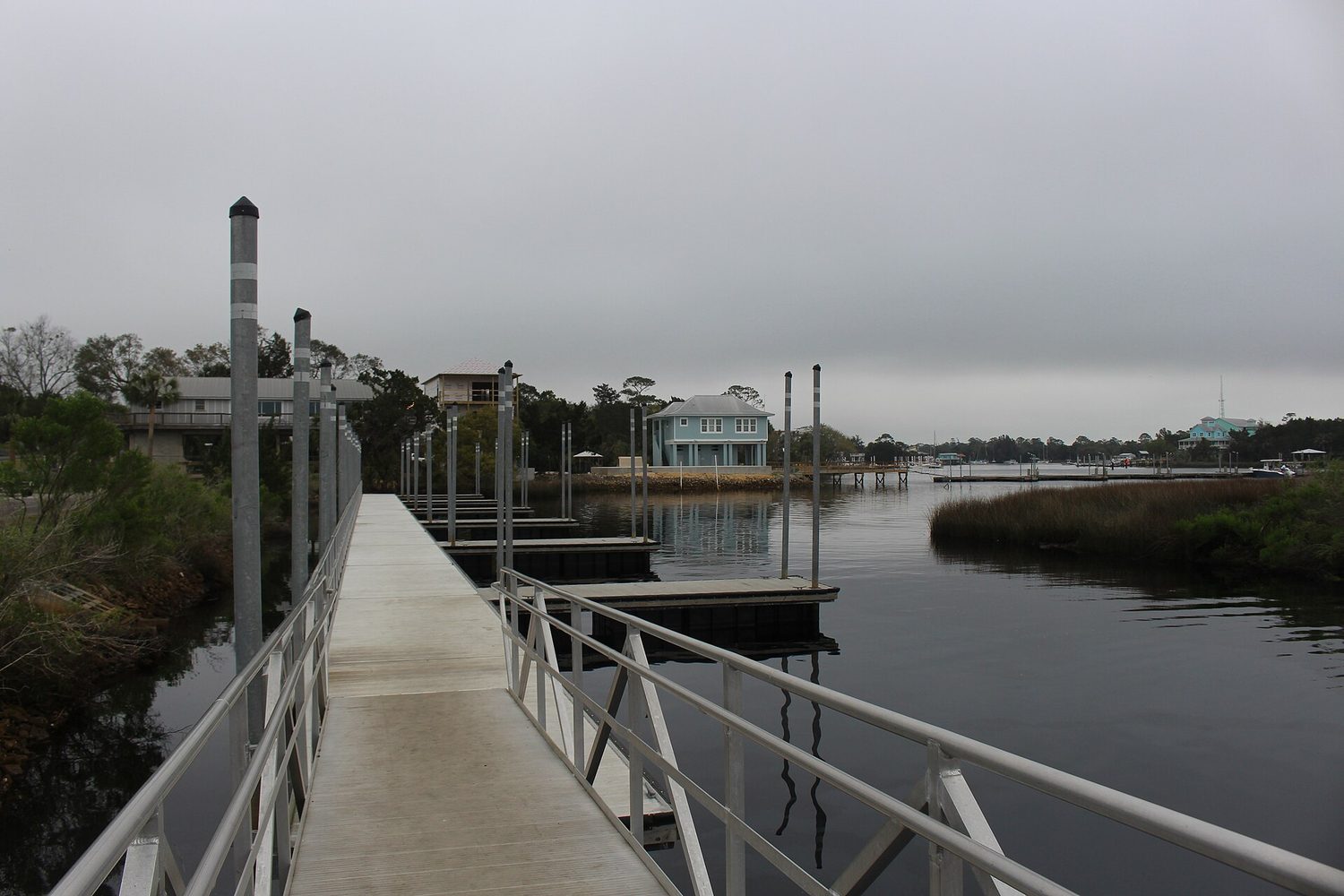
The River of Man
Steinhatchee is not a place you arrive at by accident. It is a place you reach on purpose, usually because you have heard about the scallops or you have family here. The town sits where the Steinhatchee River meets the Gulf of Mexico, and that is the whole story in one sentence. Everything else is detail.
The name comes from the Native American esteen-hatchee, meaning river of man. Indians came first, drawn by fresh water and the bay. Explorers followed. Civil War soldiers passed through. Sponge divers worked the Gulf. Commercial fishermen built the village and still sustain it. Many locals continue to ply the Gulf for their livelihood today. The river gave them a harbor. Deadman's Bay gave them a fishing ground. The open Gulf, just 2.5 miles downstream, gave them a reason to stay.
A Town Built on Water
The river is the spine. It runs from the inland cypress swamps down to the coast, and at the mouth it widens into Deadman's Bay, a shallow embayment that does two jobs. It protects the village from the open Gulf, and it holds the scallop grass beds that bring the summer crowds.
That is the other economy. Steinhatchee is a bay-scalloping town. The season runs across high summer. In 2019 it ran from 15 June to 10 September, and the shallow flats filled with families working the grass beds by hand. They come in boats, they wade in the water, they scoop up scallops and drop them in mesh bags. It is a working ritual, not a resort pastime.
The Numbers Tell the Story
The census figures make the point plainly. Steinhatchee has 770 people. The median age is 63 years. That is a town of retirees and working fishermen, not a suburb. The unemployment rate is 0 percent, which sounds remarkable until you consider that most people here either work the water, work for the people who work the water, or have already retired from something else.
There are 1,637 total housing units. Of those, 1,220 are vacant. And 1,043 are held for seasonal or recreational use. The math is stark: most of the houses in Steinhatchee are empty most of the year. They fill up when the scallop season opens, then empty out again when the flats go quiet. The permanent population is small. The summer population is something else entirely.
Median household income is $48,208. Median home value is $255,600. About 24.9 percent of residents hold a bachelor's degree or higher. Those are not wealthy numbers. They are steady, working numbers. The kind of numbers you get when a town does one thing well and does not pretend to be anything else.
A Town That Knows What It Is
Steinhatchee does not market itself as a hidden gem. It is not undiscovered. The people who come here know exactly where they are going, and they come back year after year. The Fiddler Crab Festival in February is the town's big civic moment, three days of a parade, fireworks on both Friday and Saturday nights, a car show, a fishing tournament, river tours and a cooking competition. It is a small town putting on a small town event, and it works because nobody is trying to be something bigger.
The river is the reason for all of it. The town grew where the river meets the Gulf, and it has never needed to grow anywhere else. The water gives the town its name, its work, its summer visitors and its reason to exist. The people who live here know that. The people who visit learn it quickly, usually with wet feet and a bag of scallops.
Steinhatchee is where it is because the river put it there. That is not a metaphor. It is geography, history and economics all folded into one short stretch of Florida coastline. The river of man still runs, and the town still works.
Every business named above is one we hold a listing for, and every date traces to a source on our sources page. We do not describe menus, interiors or service we have not verified. Details change — confirm before you travel.